Product Overview
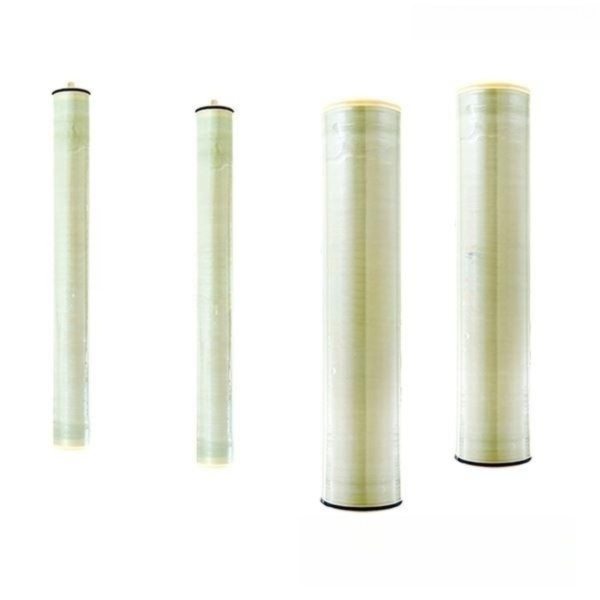
The spiral-wound gas separation membrane is a high-efficiency gas separation system. It is made by rolling flat membranes that selectively allow organic compounds to pass through. The design is compact, with high packing density and low manufacturing costs.
Membrane modules can be connected with metal housings, central tubes, and piping systems for continuous operation. They are capable of separating organic gases from air, nitrogen, oxygen, carbon dioxide, and other common gases, enabling concentration, purification, and refinement of organic gases.
Working Principle
Spiral-wound gas membranes separate mixed gases based on the selective permeability of the membrane material. Moisture or organic gases permeate preferentially through the functional membrane layer, while slower-permeating gases such as nitrogen, oxygen, and carbon dioxide remain on the other side. This allows efficient gas concentration and purification.
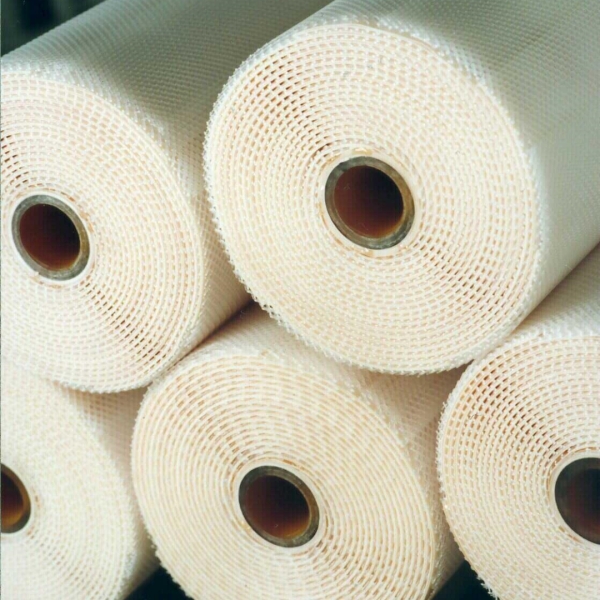
The membrane module consists of feed spacers, permeate-side spacers, flat membrane sheets, a central tube, and a housing, forming a complete separation system. Flow distribution nets and metal components ensure stable gas flow and safe static discharge.
Key Features
· High Membrane Performance: Provides high concentration factors, large processing capacity, and stable separation efficiency.
· Long Membrane Life: High resistance to swelling, with strong bonding between the support layer and functional layer.
· Enhanced Safety: Conductive spacers on both sides of the membrane, combined with metal housing, central tube, and end caps, allow rapid dissipation of static electricity.
· High Solvent Resistance: The base membrane, functional layer, sealing components, and potting material are specially treated to withstand organic solvent environments, offering service life exceeding 5 years.
Applications
· Oil & Gas Recovery: Recovery of vapor from tank trucks, storage tanks, gas station emissions, and tanker cleaning operations.
· Chemical & Pharmaceutical VOC Recovery: Recovery of organic compounds from reactor exhaust and vacuum pump degassing processes.
· Organic Monomer Recovery: Concentration and purification of monomers such as propylene, ethylene, light hydrocarbons from natural gas, and butadiene.
��